
The beautifully designed and well-timed emails that the Extole platform sends are keys to the success of your referral program. This guide details the primary emails that power our programs and gives insight into how to think about each one.
Each email Extole sends features:
- Consistent, on-brand creative. Thanks to Extole's pre-built creative themes, every email looks great and matches the look and feel of your referral program and your brand.
- Mobile responsive designs. Consumers open emails in general, and share emails in particular, on their mobile devices, so every email you send must look and work great on mobile. Every piece of Extole creative, including email, is responsive.
- Reliable delivery. With email, the rubber hits the road at the inbox. An email sent but not inboxed is worthless. Extole's templates and technology work together for high deliverability.
- CAN-SPAM compliance. You could engage tens of thousands of customer advocates with your referral program, so it is essential that referral emails follow CAN-SPAM requirements by honoring the preferences of everyone who participates.
Part 1: The share email
- From: your advocate
- To: her friends
- When: at key moments of delight during the customer journey
- Purpose: to share an authentic, personal recommendation that results in high-converting traffic to your site
When you let your existing customers use email to send personal recommendations about your brand or product, they will send compelling and powerful emails. In fact, email is the highest converting referral channel, more effective than sharing on Facebook, Twitter, or Instagram. It is also easier than a share link for referred friends to find later.

Used thoughtfully, email helps better capture the power of your advocates.
Part 2: The advocate thank you email
Email content tailored to what the customer is doing at a specific moment, such as purchasing, browsing, sharing, searching, or reviewing, helps your customer achieve her goals rather than interrupting her. The same is true of refer-a-friend program emails: they should be aids. The next email we consider essential in any refer-a-friend setup is the thank you email triggered by an advocate's first share.
- From: your brand
- To: your new advocate
- When: triggered by an advocate's first share
- Purpose: to thank your new advocate for recommending your brand to her friends and to create an easy-to-find way for her to share again
Triggered when an advocate shares for the first time, the Advocate Thank You email shows your new champion your appreciation. She has done something great for you, and you should thank her. It is a small gesture that also serves a couple of other purposes. A good thank you email promotes more sharing because it features a strong "share more" call to action. Even if an advocate does not use it immediately, she will know she has this email to return to later.
Designing the thank you email
The share email is a personal recommendation from an advocate to a friend. It is most authentic and effective when it is lightly branded. The Advocate Thank You email, on the other hand, is from your brand, so it is appropriate for it to have richer brand imagery and tone.
Fuller branding is consistent with another aim of your referral efforts in general: make refer-a-friend feel like it is not a program at all. Instead, refer-a-friend should merge seamlessly with your customer's overall experience. So the sender of emails from your brand to advocates should not be your referral program. Thank you emails should have the same sender as any brand email.
Similarly, our recommendation for the subject line is to avoid "welcome to the program" messaging. Instead, celebrate the first share, message it as an accomplishment, and generate excitement that encourages more sharing. If your brand favors emojis in subject lines, do not hesitate to use them here too.
The body of the email should focus on generating excitement and warm feelings. With that kind of energy, and with a reminder about the rewards your advocates and their friends can earn, this email will encourage more sharing.
Part 3: The advocate stats email
The next email serves an often overlooked but important need: keeping advocates engaged. Imagine an advocate shares and is thanked. Then what happens? Until a referred friend converts, there is often no communication to the advocate.
We see this all the time with refer-a-friend programs built in-house. Instead of creating delight and engagement with your advocates, the silence creates a void. It is the equivalent of not sending an order shipped email. You would not do that to your customers, and we do not do that to your advocates. Instead, Extole creates a communication that advocates really appreciate and engage with, useful in terms of content, timing, and functionality. We call it the advocate stats email.
- From: your brand
- To: your advocate
- When: after sharing
- Purpose: increase engagement and sharing, answer common questions
As its name suggests, the advocate stats email gives advocates an update on their shares, the impact of their shares, and the status of rewards. The data in this email answers the critical questions advocates have after they send recommendations: did my friend respond, and where is my reward?
The more an advocate shares, the more often they will want their stats. Our version of the advocate stats email goes out more frequently to more active advocates and less frequently to those who share occasionally.
This email also lets advocates do two important things:
- It makes it easy for them to share again, either with their link or with a click back to the on-site share experience.
- It prompts them to remind friends they have already shared with to check out your brand or products.
That simple follow-up is a powerful conversion driver.
Part 4: The friend reminder email
At this point you may have picked up on a theme: the best referral experiences create their own moments. When applied to the overall structure of the program, that means the program design needs to account for non-linear customer journeys, from sharing to conversion.
Here is an example. I shared my favorite new fashion brand with a friend. I know she will love it and will appreciate the reward. I also know she is easily distracted. My share message is likely to be glossed over while she is speeding through email, Instagram, Bumble, and who knows what else. It happens all the time. I still love her though.
Extole's platform gives advocates, and the marketers supporting them, two useful approaches for making the most of this very common scenario. Both rely on an email we call the friend reminder email.
- From: your advocate
- To: her friends
- When: after the initial share, either on demand or scheduled by the advocate
- Purpose: to reinforce the initial share message and emphasize that the recommendation is meaningful and true
As the name suggests, this email lets advocates send a reminder to their friends as a follow-up to the initial share. It is a gentle nudge for people who love the latest styles, are easily distracted, or may not have been in the mood to purchase when the advocate first shared.
Extole gives marketers two ways to make friend reminders a natural part of the advocate experience.
Let advocates opt in when they share
A simple checkbox when advocates share by email, "send my friends a reminder email in X days," is easy and popular. The time period is configurable, so marketers can offer the option after a short interval or a long one. Because it is configurable, you can also include it in an A/B testing strategy. No matter the interval, it is smart not to send a reminder to friends who have already converted.
Let advocates trigger it from the stats dashboard
The other way advocates can trigger the friend reminder email is in the advocate stats dashboard. Like the share experience itself, the stats dashboard is creative for your site that gives existing advocates information about the status of their shares and rewards. It is usually embedded in your site's "My Account" section and is a natural place to let advocates re-send their share messages.
While the main goal of this email is to increase conversions, it also increases advocacy by creating a thoughtful experience for customers who want to share your brand with their friends.
Part 5: Mail after purchase
A key moment of delight in referral marketing happens when a friend responds to the recommendation of an advocate. Creating more of these moments is the purpose of the friend reminder email. But the idea of key referral moments also applies to program marketing, the basic activity of making sure your customers know about their ability to send recommendations and can easily refer when they want to.
A well-timed marketing email dedicated to refer-a-friend will prompt the sharing that leads friends to visit your site. Combine that with the knowledge that the most meaningful moment is when someone experiences your product or service, and a well-timed post-purchase email to everyone who has recently purchased can have a big impact.
Using an online or in-store purchase to trigger an email asking customers not to rate or review a product but to recommend it through a referral is one of the top performing calls to action in any referral program. The value of every response is incredibly high, higher than any post-purchase activity, so making mail after purchase highly effective is a central focus of Extole's platform and our Customer Success team.
- From: your brand
- To: every recent purchaser
- When: triggered by and scheduled after conversion
- Purpose: to build on the excitement and experience every customer has after she has purchased
Subject line
The subject line of a post-purchase email needs to be great. After her purchase, your customer gets a lot of email, and not all transactional emails get read, so a punchy subject line helps cut through the noise. My favorite subject line for this email was Stitch Fix's "Want Free Clothes?" It is catchy, short, and unique, and it works.
Timing
Part of the success of the Stitch Fix email, and of any post-transaction request for referrals, is the timing. Extole's platform lets you schedule the email to go out a specified number of days after the purchase. Retailers tend to allow enough time for products to be shipped, experienced in real life, and loved, so their settings are usually a couple of weeks after purchase. In some cases it may make sense for the interval to be even longer. But do not wait too long to tell your recent customers they can refer. It is a big benefit, and one they are likely keenly interested in.
Tone
We recommend that the tone of this email be celebratory. Favor language that conveys enthusiasm, sharing, and friendship, the foundations of advocacy and the fuel of your referral program. Thank customers for their transaction, celebrate their loyalty, and encourage referrals by returning to your site. Do not forget to include their personalized share link so they can distribute it directly.
Part 6: The reward email
Imagine you shared a brand or product with someone you know will love it. You may or may not find out that your friend made a purchase. Then, there in your inbox, is an email not just thanking you for sharing but rewarding you for connecting a friend with your favorite brand. That is a great feeling.
That is also why the reward email serves a couple of purposes beyond communicating a reward. It drives traffic from your rewarded advocate to your site, and quite possibly an additional purchase. It also encourages more sharing.
The advocate reward email
- From: your brand
- To: your advocate
- When: after one of her referred friends makes a qualifying purchase
- Purpose: deliver an earned reward, encourage another purchase from your advocate, spark more sharing
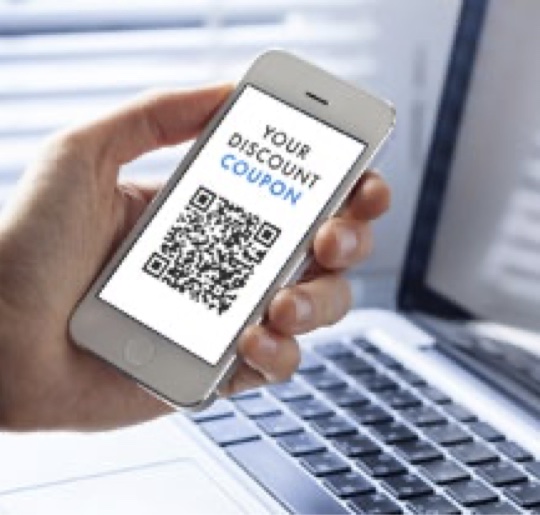
This is an email you want your advocate to open without fail. Make sure the headline is descriptive and explicit that they have earned a valuable reward. Do not forget the preview text, so you take advantage of everything at your disposal to get this one opened. If you were to ever use a subject line emoji, this would be the place. Make sure it renders on mobile, and consider add-to-wallet capabilities for in-store redeemable rewards. In other words, do everything you can to make this a great email and to make sure your customer can take advantage of the reward.
You may be thinking: is it really that important, or isn't there a benefit if this email goes unnoticed? After all, you lose margin if the person opens the email and uses the reward. Wrong. You absolutely want your advocate to get and use this reward.
- First, this is an advocate, your best customer. You do not want to let her down, deliver a bad experience, or hope for breakage at her expense.
- Second, the use of that reward represents an additional purchase. That is an obvious value to your business and to her.
- Third, you do not want to put her through the hassle, or incur the expense, of a phone call to your customer support team asking for her reward.
- Finally, she is going to be more inclined to share again if she had a great experience earning a reward and using it.
Refer-a-friend is about moments of delight, and this is the Super Bowl of referral delight. Play to win.
Finally, mention that more rewards await, and make it easy to share again by including the advocate's share link and a link back to your on-site sharing experience. A great experience creates more engagement, loyalty, and sharing.
The friend reward email
- From: your brand
- To: a referred friend
- When: after a referred friend earns a reward
- Purpose: deliver the reward and encourage advocacy
When you use an external reward, like an Amazon gift card or an open-loop card, and in certain cases an internal reward like a coupon code or account credits, you also reward friends by email. This is often the case in financial services, for example. As with the advocate reward email, the friend email creates a powerful moment.
One main difference is that you have a huge opportunity to give this new, now rewarded customer an easy path to becoming an advocate. Sharing and its benefits should be highlighted even more than in an advocate reward email. Even if the referred friend does not share when she opens the email, you want her to keep it in her inbox so she can find it and share when the moment strikes later.
Key takeaways
- Email is the highest converting referral channel, and the share email is where your advocates' recommendations start.
- Thank advocates for their first share, and keep them engaged with stats rather than silence.
- Remind friends who have not yet responded, and never remind those who have converted.
- Ask for referrals after purchase, timed so customers have experienced and loved the product.
- Make reward emails great for advocates and for referred friends, and use them to drive the next share.
See these emails working for your program
Extole's platform sends each of these emails, on brand, mobile responsive, deliverable, and compliant. To see how they could work for your customers, request a demo.